
As Sacramento continues to lead California’s sustainability initiatives, homeowners are increasingly seeking eco-friendly solutions for their property improvements. From solar energy adoption to water conservation programs, the Sacramento region has embraced environmental responsibility as a core value. When it comes to fencing choices, wood emerges as the clear environmental champion, offering renewable sourcing, carbon sequestration benefits, and end-of-life recyclability that align perfectly with Sacramento’s green living goals. So, why wood fencing is the eco-friendly choice?
Understanding the environmental impact of your fencing choice extends beyond initial installation to encompass the entire lifecycle of the product. Wood fencing not only supports sustainable forestry practices but also contributes to carbon reduction, requires less energy to produce than alternatives, and integrates seamlessly with Sacramento’s natural landscape and climate adaptation strategies.
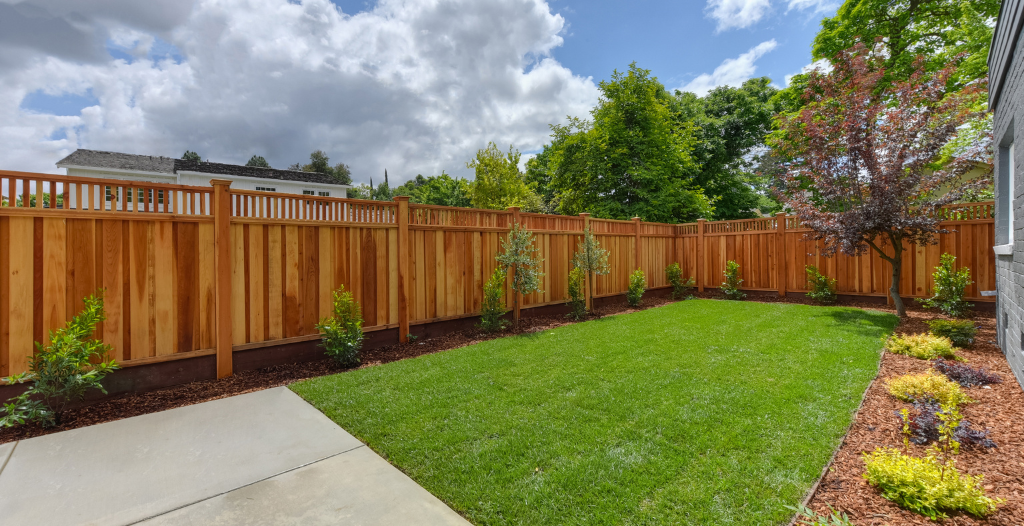
The Carbon Story: Wood Fencing and Climate Impact
Carbon Sequestration Benefits
Wood fencing provides unique environmental benefits through carbon sequestration – the process by which trees absorb carbon dioxide from the atmosphere and store it in their wood fibers. When you choose wood fencing, you’re essentially creating a carbon storage system in your backyard that continues to benefit the environment throughout the fence’s lifespan.
A typical residential wood fence can store approximately 1-2 tons of carbon dioxide equivalent, effectively removing this greenhouse gas from the atmosphere for decades. This stored carbon remains locked in the wood throughout the fence’s useful life, contributing to Sacramento’s carbon reduction goals and helping combat climate change at the local level.
Comparing Carbon Footprints
Manufacturing wood fencing requires significantly less energy than producing vinyl, aluminum, or steel alternatives. The production process for wood fencing generates approximately 75% fewer greenhouse gas emissions than vinyl fencing and 85% fewer emissions than aluminum fencing. This dramatic difference stems from wood’s natural formation process versus the energy-intensive manufacturing required for synthetic materials.
In Sacramento’s context, where renewable energy adoption is high, the carbon benefits of wood fencing become even more pronounced. Local processing facilities increasingly rely on solar and wind power, further reducing the carbon footprint of wood fence products sourced regionally.
Sustainable Forestry and Sacramento’s Regional Resources
Supporting California’s Forest Management
California’s forests face unprecedented challenges from climate change, drought, and wildfire risks. Sustainable forestry practices that include selective harvesting for products like fencing actually support forest health by reducing fire fuel loads, improving forest diversity, and providing economic incentives for proper forest management.
Sacramento’s proximity to sustainably managed forests in the Sierra Nevada and coastal regions means that wood fencing materials can be sourced locally, reducing transportation emissions while supporting California’s forest management goals. This regional sourcing creates a closed-loop system where Sacramento homeowners contribute to forest health while obtaining environmentally responsible fencing materials.
Certification Programs and Responsible Sourcing
Modern wood fencing increasingly comes from certified sustainable sources, including Forest Stewardship Council (FSC) and Sustainable Forestry Initiative (SFI) certified forests. These programs ensure that wood products come from forests managed according to strict environmental, social, and economic standards.
Sacramento homeowners can specifically request certified wood for their fencing projects, directly supporting sustainable forestry practices while ensuring their fencing choice aligns with their environmental values. Many local suppliers now stock certified wood products, making sustainable choices increasingly accessible.
Water Conservation and Sacramento’s Drought Resilience
Permeable Fencing Solutions
Sacramento’s ongoing water conservation efforts benefit from fencing choices that support natural water cycles. Wood fencing naturally allows air and moisture movement, supporting soil health and reducing the need for artificial irrigation around fence lines. This permeability contrasts sharply with solid vinyl or metal fencing that can create wind tunnels and disrupt natural moisture patterns.
Traditional wood fence designs like board-on-board and picket styles allow for natural air circulation while maintaining privacy and security. This airflow helps prevent the moisture buildup that can lead to plant disease and pest problems, reducing the need for water-intensive maintenance practices.
Integration with Drought-Tolerant Landscaping
Wood fencing complements Sacramento’s move toward drought-tolerant landscaping better than synthetic alternatives. The natural appearance of wood integrates seamlessly with native plants, Mediterranean-style gardens, and xeriscaping designs that require minimal water input.
The earth tones and natural textures of wood fencing provide an ideal backdrop for drought-resistant plants like lavender, California poppies, and native grasses. This integration creates cohesive landscape designs that support Sacramento’s water conservation goals while maintaining aesthetic appeal.
Waste Reduction and Circular Economy Principles
End-of-Life Recyclability
When wood fencing reaches the end of its useful life, it can be recycled into mulch, compost, or biomass fuel, contributing to Sacramento’s circular economy goals. This recyclability contrasts sharply with vinyl fencing, which typically ends up in landfills, or metal fencing, which requires energy-intensive recycling processes.
Many Sacramento-area waste management facilities now accept clean wood waste for recycling into useful products. This creates a closed-loop system where old fencing materials become inputs for new products, reducing waste and supporting regional sustainability goals.
Minimal Processing Requirements
Wood fencing requires minimal processing compared to synthetic alternatives, reducing industrial waste and energy consumption. The transformation from tree to fence board involves basic cutting, drying, and finishing processes that generate minimal waste and can often be accomplished using renewable energy sources.
Sacramento’s growing emphasis on local manufacturing and processing means that wood fencing materials can increasingly be processed within the region, reducing transportation emissions while supporting local employment and economic development.
Energy Efficiency and Building Performance
Thermal Properties
Wood fencing provides superior thermal performance compared to metal alternatives, reducing heat island effects and contributing to more comfortable outdoor environments. In Sacramento’s hot summer climate, wood fencing helps moderate temperatures around homes and outdoor living spaces.
The natural insulation properties of wood mean that wood fences don’t conduct heat like metal fences or trap heat like some synthetic materials. This thermal performance contributes to energy efficiency by reducing the heat load on adjacent buildings and outdoor spaces.
Integration with Renewable Energy Systems
Wood fencing integrates well with residential renewable energy systems, including solar panels and battery storage units. The natural appearance of wood doesn’t conflict with modern solar installations, and wood’s electrical non-conductivity makes it safer around electrical systems than metal alternatives.
Sacramento homeowners investing in solar energy systems often find that wood fencing complements their renewable energy infrastructure while supporting their overall sustainability goals.
Biodiversity and Ecosystem Support
Supporting Local Wildlife
Wood fencing provides habitat and support for local wildlife in ways that synthetic materials cannot. Birds can nest in wood fence structures, beneficial insects can find shelter in wood grain patterns, and climbing plants can use wood fencing as natural support systems.
Sacramento’s urban wildlife, including birds, butterflies, and beneficial insects, benefit from the natural habitat provided by wood fencing. This ecosystem support contributes to urban biodiversity and helps maintain the ecological balance that supports Sacramento’s environmental health.
Native Plant Integration
Wood fencing serves as an ideal support system for native California plants, including climbing vines, espaliered fruit trees, and vertical gardens. These plantings provide additional environmental benefits including air purification, carbon sequestration, and habitat creation.
The natural pH of wood and its ability to develop beneficial microbial communities support plant health in ways that synthetic materials cannot match. This biological compatibility makes wood fencing an integral part of sustainable landscape design.
Local Economic Benefits for Sacramento and Surrounding Counties
Supporting Regional Employment
Choosing wood fencing supports regional employment in forestry, processing, and installation services. Sacramento’s proximity to major forest regions means that wood fencing purchases often support local and regional employment rather than distant manufacturing facilities.
This local economic impact extends beyond direct employment to include supporting businesses, transportation services, and related industries that contribute to Sacramento’s economic sustainability.
Reduced Transportation Impacts
Regional wood sourcing significantly reduces transportation emissions compared to synthetic materials manufactured in distant facilities. Sacramento’s position in California’s Central Valley provides access to multiple forest regions within a few hundred miles, minimizing transportation impacts.
This regional sourcing also provides greater supply chain resilience, reducing the vulnerability to supply disruptions that can affect products manufactured in distant locations. This further adds to the argument that wood fencing is the eco-friendly choice for Sacramento homeowners.
Maintenance and Longevity Considerations
Low-Impact Maintenance
Wood fence maintenance typically involves natural products like linseed oil-based stains and water-based sealers that have minimal environmental impact. These maintenance products break down naturally and don’t contribute to soil or water contamination.
Sacramento’s climate allows for extended periods between maintenance cycles, reducing the overall environmental impact of fence care. Proper maintenance using environmentally responsible products can extend fence life to 20-30 years, maximizing the environmental benefits of the initial material investment.
Avoiding Toxic Chemicals
Unlike some synthetic fencing materials that may off-gas volatile organic compounds (VOCs) or require toxic cleaning products, wood fencing can be maintained using natural, non-toxic products. This safety extends to families, pets, and the surrounding environment.
Sacramento’s air quality management programs benefit from choices that avoid VOC emissions and toxic chemical use, making wood fencing an ally in the region’s air quality improvement efforts.
Future-Proofing Your Environmental Choice
Adaptability to Changing Standards
As environmental standards continue to evolve, wood fencing provides flexibility to meet changing requirements. Wood can be modified, updated, or enhanced with new environmental technologies as they become available.
Sacramento’s leadership in environmental innovation means that homeowners who choose wood fencing position themselves to take advantage of future sustainability improvements and technologies.
Investment in Renewable Resources
Choosing wood fencing represents an investment in renewable resource management that supports long-term environmental goals. As Sacramento continues to develop its sustainability infrastructure, wood fencing choices made today will continue to provide environmental benefits for decades.
Making the Sustainable Choice
The environmental benefits of wood fencing align perfectly with Sacramento’s sustainability goals and climate action plans. From carbon sequestration and renewable sourcing to end-of-life recyclability and ecosystem support, wood fencing provides comprehensive environmental benefits that synthetic alternatives cannot match.
For Sacramento homeowners committed to sustainable living, wood fencing represents more than a property improvement – it’s a contribution to regional environmental health, climate action, and sustainable development. The choice to install wood fencing becomes part of a larger commitment to environmental responsibility that benefits both individual properties and the broader Sacramento community.
Wood Fencing is the Eco-Friendly Choice
The convergence of environmental benefits, aesthetic appeal, and practical functionality makes wood fencing the ideal choice for Sacramento homeowners who want their property improvements to reflect their environmental values. As the region continues to lead in sustainability innovation, wood fencing provides a foundation for eco-friendly outdoor living that will remain relevant and beneficial for generations to come.
Ready to make the sustainable choice for your property? Contact us today for a free consultation to discuss how wood fencing is the eco-friendly choice that can support your environmental goals while providing beautiful, functional boundaries for your Sacramento home.