
As a parent, creating a safe outdoor environment where your children can play freely is one of the most important investments you can make in your family’s quality of life. A well-designed wood fence transforms your backyard into a secure haven where kids can explore, play, and develop their independence while giving you peace of mind. Beyond basic containment, the right fencing approach creates designated play areas that encourage outdoor activity, creativity, and healthy development. Here is A Parent’s Guide to Backyard Fencing
Understanding how to design and implement effective backyard fencing for families requires balancing safety considerations with aesthetic appeal, functionality with fun, and immediate needs with long-term family growth. Let’s explore how thoughtful fence planning can create the perfect outdoor play environment for your children.
Understanding Child Safety and Fencing Fundamentals
Age-Appropriate Safety Considerations
Different age groups require different safety approaches when it comes to backyard fencing. Toddlers and preschoolers need complete containment with no gaps they can squeeze through, while school-age children benefit from clear boundaries that allow supervised independence. Teenagers might appreciate privacy for outdoor activities while still maintaining family-friendly spaces.
For families with young children, fence height becomes critical. A minimum of 4 feet is recommended for most residential applications, but families with particularly active climbers might consider 5 or 6-foot heights. The key is creating a barrier that’s tall enough to prevent escapes but not so imposing that it feels prison-like.
Eliminating Hazardous Gaps and Openings
One of the most important safety considerations is ensuring your fence has no gaps wider than 4 inches. This measurement is based on safety standards that prevent children from getting their heads stuck while being too narrow for most children to squeeze through. Pay special attention to areas where fence panels meet gates, corners, and existing structures.
Bottom gaps should be minimized as well. While some gap is necessary for drainage and air circulation, spaces larger than 2 inches can allow small pets to escape and may tempt curious toddlers to crawl underneath. Consider installing gravel boards or extending fence panels closer to ground level in areas where children play frequently.
Designing Play-Friendly Fence Features
Gates That Work for Families
Gate design significantly impacts both safety and functionality for families with children. Self-closing hinges and child-resistant latches are essential features that prevent accidental escapes while allowing adults easy access. Position latches high enough that young children cannot reach them, typically 54 inches from the ground.
Consider installing double gates for areas where you’ll need to move large items like playground equipment, lawn mowers, or party supplies. Wide openings make maintenance easier and provide better access for emergency vehicles if needed.
Smooth Surfaces and Rounded Edges
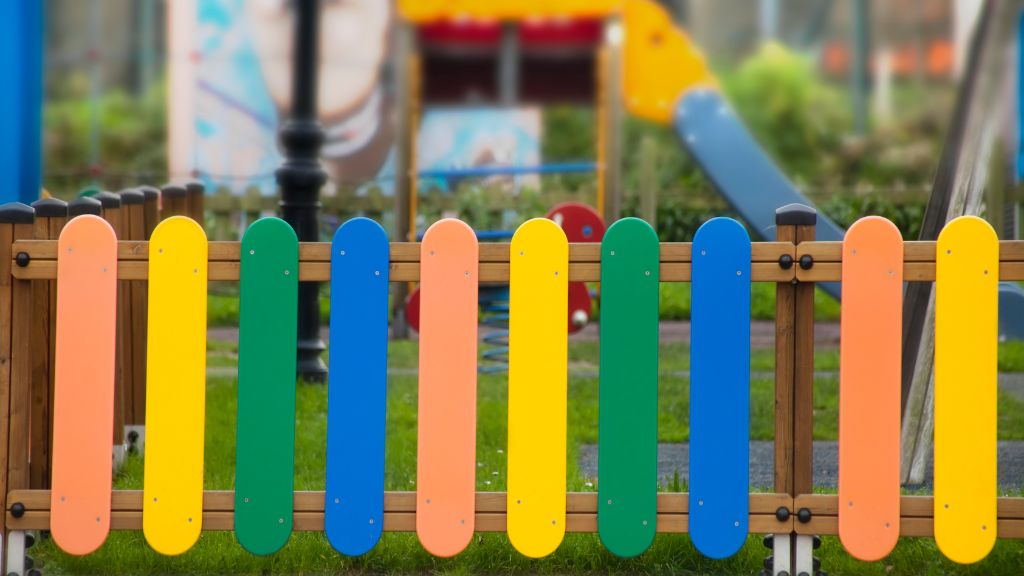
Wood fencing for play areas should prioritize smooth surfaces and rounded edges to prevent splinters and injuries during active play. Quality construction with properly sanded boards and rounded post tops creates a safer environment where children can play without constant worry about sharp edges or protruding hardware.
Avoid fence designs with horizontal rails that create ladder-like climbing opportunities unless specifically intended for that purpose. While some children will climb regardless of fence design, eliminating obvious footholds reduces the likelihood of falls and escape attempts.
Integrated Play Elements
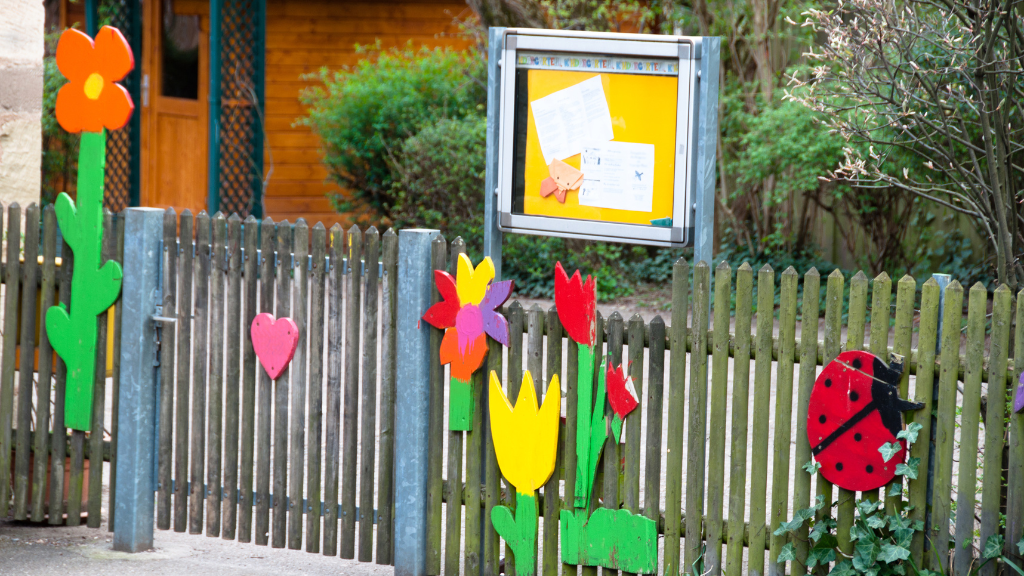
Consider incorporating play elements directly into your fence design. Built-in sandbox areas, climbing walls, or even simple tic-tac-toe boards can transform a functional barrier into an engaging play feature. These integrated elements maximize space usage while creating unique play opportunities that commercial playground equipment might not offer.
Chalkboard paint on fence sections creates an ever-changing art wall where children can express creativity without damaging house siding or other surfaces. Sports-related features like basketball hoops or soccer goals can turn fence areas into active play zones.
Creating Designated Play Zones
Separating Active and Quiet Play Areas
Effective backyard design creates distinct zones for different types of play. Active areas for running, ball games, and physical activities should be separated from quiet zones designated for reading, crafts, or imaginative play. Fencing helps define these spaces while maintaining overall backyard cohesion.
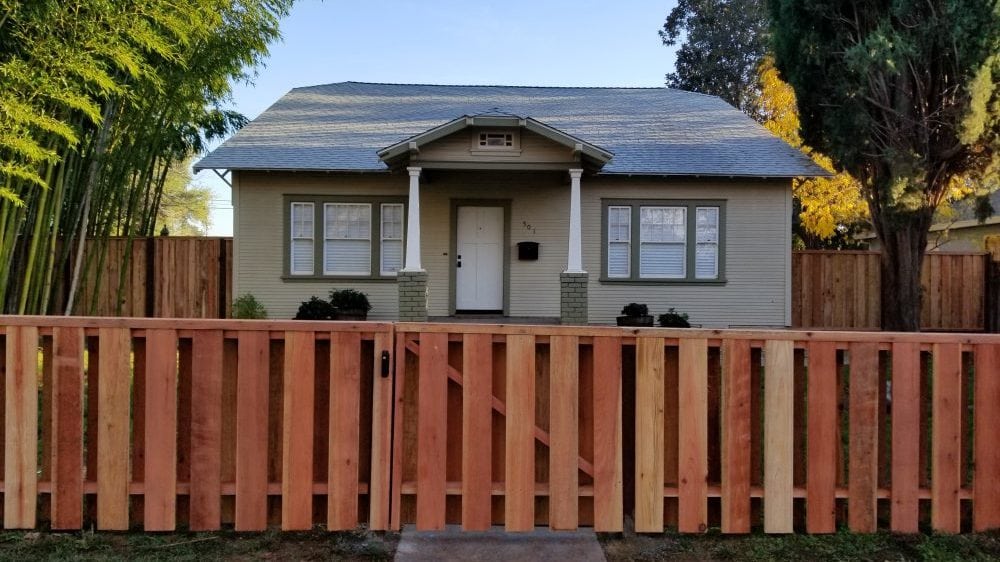
Consider using different fence heights or styles to subtly separate these zones. A lower decorative fence might define a quiet garden area, while a higher privacy fence creates a more contained active play space. This approach allows parents to supervise multiple activities while giving children appropriate spaces for different types of play.
Age-Appropriate Activity Zones
Families with children of different ages benefit from creating age-appropriate zones within the fenced backyard. Toddler areas might feature soft surfaces, lower equipment, and complete enclosure, while older children’s areas can include more challenging play features and greater independence.
Transition zones between age groups help siblings play together safely while maintaining appropriate challenges for each age group. These buffer areas might include family gathering spaces, picnic areas, or shared activities that work for multiple age groups.
Safety Features Beyond Basic Containment
Visibility and Supervision
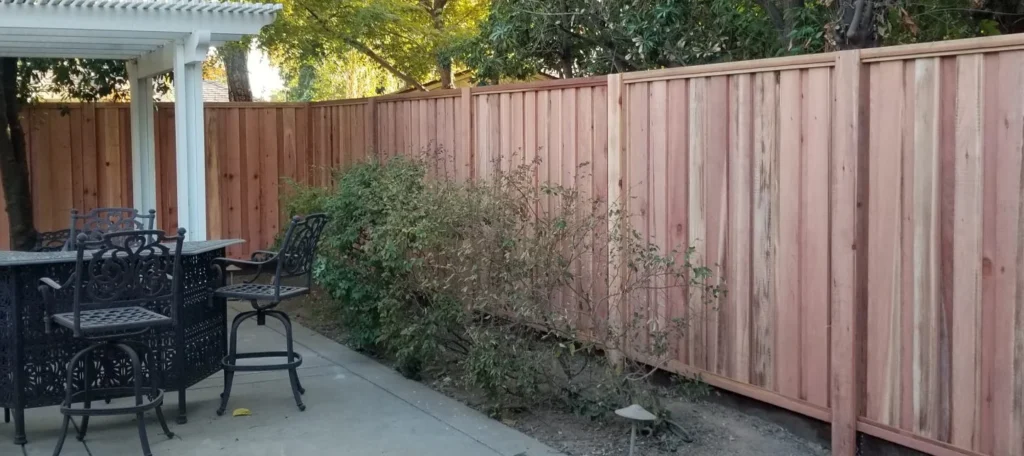
While privacy is important, parents need to maintain visual supervision of play areas. Consider fence designs that provide privacy from neighbors while allowing clear sightlines from house windows and common areas. Board-on-board fencing with wider spacing or strategic window openings can balance privacy needs with supervision requirements.
Lighting considerations become important for families who use their backyard during evening hours. Fence-mounted solar lights or low-voltage LED systems can illuminate play areas safely while creating an attractive nighttime ambiance.
Pool Safety Integration
For families with swimming pools, fence safety becomes even more critical. Pool fencing requires specific height requirements (typically 4-6 feet depending on local codes), self-closing gates, and elimination of any climbing aids. Wood fencing can be integrated with pool safety requirements while maintaining aesthetic appeal.
Consider how your general backyard fencing interacts with pool safety fencing. A cohesive design approach ensures that necessary safety features don’t compromise your overall backyard aesthetic or functionality.
Material Selection for Family Use
Durability Under Heavy Use
Children can be hard on fencing, from ball impacts to climbing attempts to general wear from active play. Choose wood species and construction methods that can withstand this increased use while maintaining their appearance and structural integrity.
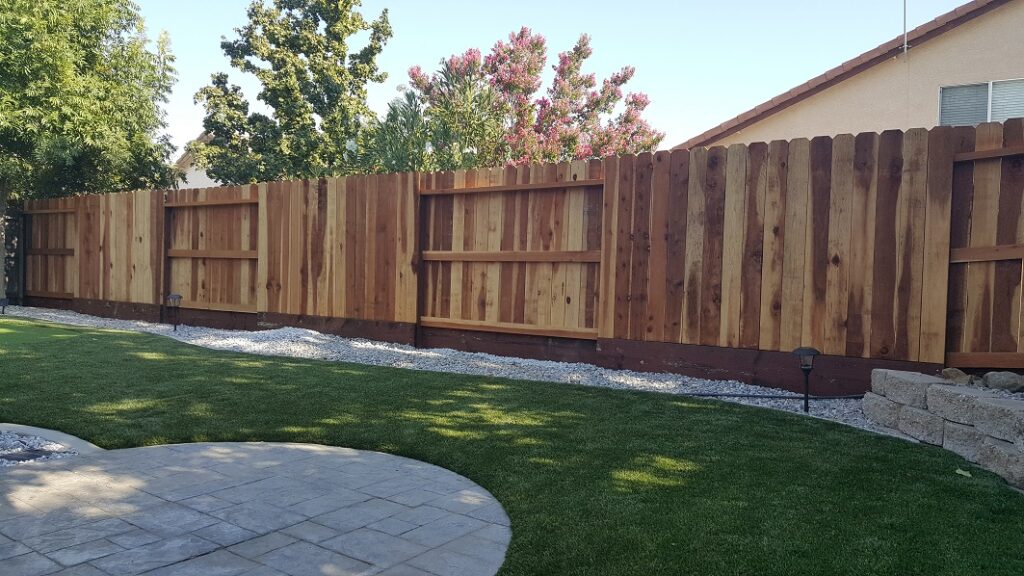
Redwood offers excellent durability and natural resistance to insects and decay, making it ideal for family environments. Its natural properties mean fewer chemical treatments, which is important around children’s play areas.
Maintenance-Friendly Options
Family life is busy, and fence maintenance needs to fit into realistic schedules. Choose finishes and materials that provide good protection without requiring frequent attention. Semi-transparent stains offer good protection while being more forgiving of wear and easier to touch up than solid colors.
Consider how maintenance activities will affect children’s use of the space. Quick-drying stains and finishes that don’t require extended cure times help minimize disruption to family activities.
Pet-Friendly Considerations
Dual-Purpose Fencing
Many families need fencing that works for both children and pets. Dogs and cats have different containment needs, and combining these requirements with child safety creates additional design challenges. Consider pet-specific features like dig guards, appropriate spacing, and materials that can withstand both child and pet activities. At Classic Fence, we also install custom pet look-out-holes for within fence.
Separate vs. Integrated Spaces
Decide whether pets and children will share the same fenced areas or if separate spaces better serve your family’s needs. Some families prefer integrated spaces where pets and children play together, while others find that separate areas reduce conflicts and provide better control over both groups.
Long-Term Planning and Adaptability
Growing Family Needs
Children’s needs change rapidly, and fence design should accommodate these changes. Features that delight toddlers might become obstacles for teenagers, while safety requirements that are critical for young children might become less important as kids mature.
Consider how fence modifications might be needed as your family grows. Can gates be relocated? Are there areas where fence height could be increased or decreased? Planning for adaptability prevents the need for complete fence replacement as family needs evolve.
Resale Value Considerations
While family safety is the primary concern, consider how your fence choices might affect property value. Well-designed family fencing typically adds value to homes, particularly in neighborhoods with many families. Quality construction and attractive design ensure that your safety investment also serves as a property improvement.
Professional Installation and Safety
Code Compliance
Local building codes often have specific requirements for residential fencing, particularly regarding height, setbacks, and safety features. Professional installation ensures compliance with these regulations while meeting your family’s specific needs.
Quality Construction
Professional installation provides the structural integrity necessary for family use. Proper post setting, quality hardware, and attention to detail create fencing that will withstand years of family activities while maintaining its safety and aesthetic qualities.
Working with experienced fence contractors familiar with family needs ensures that your project addresses both obvious and subtle safety considerations that might not be apparent to homeowners.
Making Your Decision
Creating safe play spaces through thoughtful fence design requires balancing multiple considerations: safety, functionality, aesthetics, and budget. The best approach is one that addresses your family’s specific needs while providing room for growth and change.
Consider starting with a comprehensive assessment of your backyard, family activities, and long-term goals. Professional consultation can help identify opportunities and challenges that might not be obvious, ensuring that your fence investment provides maximum value for your family’s safety and enjoyment.
Remember that the goal is creating an environment where children can develop independence, creativity, and a love of outdoor activities while maintaining the safety and security that allows parents to relax and enjoy family time.
A Parent’s Guide to Backyard Fencing
Ready to create the perfect safe play space for your family? Contact us today for a free fence consultation to discuss how the right wood fence design can transform your backyard into a secure, fun, and functional environment that grows with your family’s needs.